-
Ukraine’s Air Alert app sent fake warnings about nuclear radiation, chemical threats, and street fighting in Kyiv on November 1.
-
Hours later, Russia’s Emergencies Ministry said its own mobile app suffered a massive cyberattack that spread false information.
-
Officials in both countries say other warning channels still work, and no independent evidence links the two attacks.
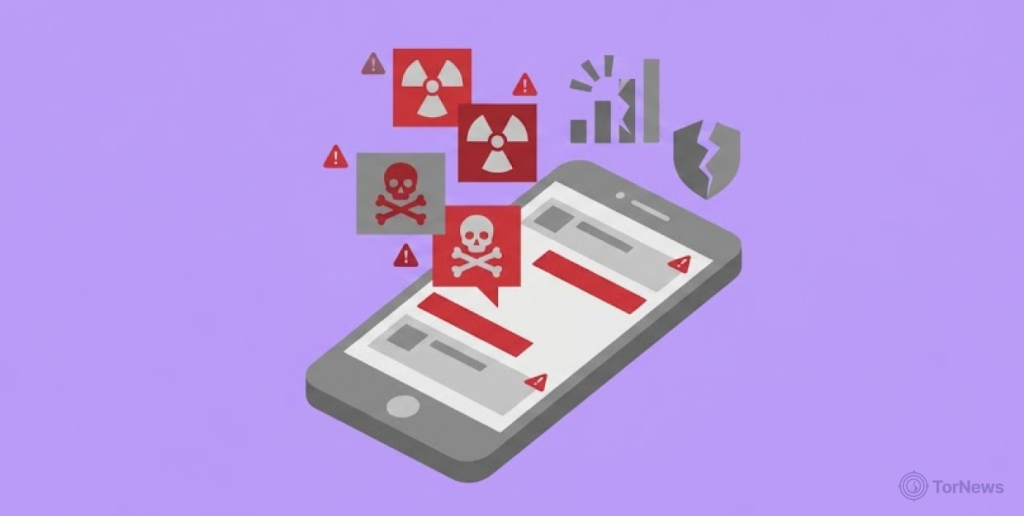
Emergency alert apps in Russia and Ukraine were hit by cyberattacks within hours of each other. Reports say attackers used the apps to send false warnings to the public.
Ukrainian users saw fake alerts about nuclear radiation, chemical threats, and possible street fighting in Kyiv. Russia’s Emergencies Ministry also confirmed a major cyberattack. However, it said its wider public warning system stayed active.
Fake Nuclear and Chemical Alerts Reach Ukrainian Phones
Ukraine’s Air Force and government authorities reported a cyberattack on the country’s public Air Alert app. Users received a series of false emergency notifications on Sunday, November 1. Millions of Ukrainians use the app to get warnings about incoming Russian missile and drone attacks.
For a short time, the app instead displayed fabricated messages. They claimed that Kyiv and other areas faced nuclear radiation and chemical threats. Some notifications also warned of possible street fighting in the capital.
One message mentioned Russia’s Oreshnik hypersonic missile. It suggested that a nationwide nuclear alert was underway. Ukrainian authorities quickly dismissed the warning. They confirmed that no radiation threat existed.
According to reports, the messages contained spelling and grammar mistakes. They appeared in English, Russian, and Ukrainian. The app’s operators detected unauthorized interference and suspended the service for a while. Authorities restored it overnight.
The app exists to warn people about real attacks. That is why officials responded so quickly to the false notifications. Authorities denied the radiation claim and told residents where to find trusted updates.
Ukraine’s Centre for Countering Disinformation urged residents to ignore suspicious notifications. It advised people to follow trusted government channels for updates. The Air Force also tried to calm the public. It said the incident did not affect military operations because the app runs separately from military command and communication systems.
Ukraine’s Centre for Strategic Communications, known as SPRAVDI, blamed Russia for the incident. However, the available reports provide no independent technical evidence showing who carried out the attack.
Russia Says Its Own Alert App Suffered a Massive Cyberattack
Hours after the Ukrainian incident, Russia’s Emergencies Ministry made its own announcement. It said its mobile app had suffered what it described as a massive cyberattack. The app normally sends emergency notifications about possible dangers, including incoming drone attacks.
The ministry said attackers gained access to the app. They then used it to spread false information to the public. Russian authorities did not name the person or group responsible. They also did not say whether the attack was linked to the earlier breach in Ukraine. According to the report, the ministry focused on calming residents.
The ministry’s statement had two parts. First, it confirmed the breach of its app. Second, it assured residents that other warning tools still worked. It said the incident did not disrupt the country’s wider public warning system. According to its statement, emergency information kept reaching people through SMS messages, television and radio broadcasts, municipal loudspeakers, and public sirens.
The ministry described the app as an additional information service. It said the app was not the country’s only emergency channel. Officials added that specialists were working to fix the app breach, while the wider warning system stayed operational.
Security Worries Grow as the War Continues
The two incidents have raised fresh concerns about the safety of digital emergency systems during the ongoing Russia-Ukraine war. Alert apps play an important role in helping civilians react quickly to incoming attacks and other dangerous situations. False notifications can cause confusion and unnecessary panic. They can also weaken public confidence in official warnings.
Ukraine has also faced cyber threats involving malicious software. In a separate incident, a charity scam targeting the country’s Defense Forces was used to deliver backdoor malware. The incidents also show how cyberattacks on civilian-facing digital services can cause disruption. Attackers did not need to target military infrastructure directly to do this.
Ukraine’s warning came through the Air Alert app, which many citizens use for missile and drone alerts. Russia’s came through a ministry app that also warns about drones. Both apps share one purpose, which is giving the public quick notice of danger. Both countries reported their attacks within hours of each other. Still, no independently confirmed evidence links the two incidents. Nothing so far points to a common attacker either.
Each country now faces the task of fixing its app. Ukraine’s operators restored theirs overnight, while Russian specialists were still working on the breach. For now, authorities in both countries stress that other emergency channels remain available. Ukrainian officials told residents to rely on trusted government sources. Russian officials pointed to the older warning channels the country still uses.
The incidents highlight the importance of securing public warning platforms. They also show why citizens must be able to tell verified emergency instructions from fabricated messages.
