-
The European Union enacted major cyber-sanctions against nine individuals and four entities involved in international internet crime networks.
-
The penalty list targets the primary developers of LummaC2 malware, alongside military intelligence officers and bulletproof web hosters.
-
The synchronized asset freezes and travel bans represent a historic joint enforcement action between European and British authorities.
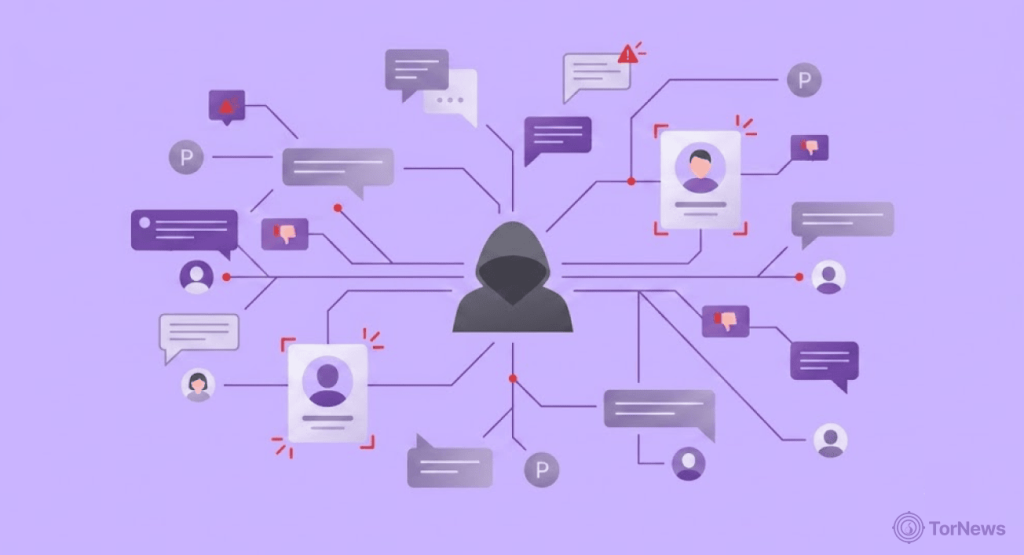
The European Union government enacted heavy financial blockades against multiple prominent online outlaws. This sweeping regulatory action targets the primary digital authors behind a highly dangerous information stealing tool. According to international security monitors, these specific programmers distributed digital traps that compromised computer networks globally.
The new legal orders will completely freeze any banking assets held by the accused individuals. The state ministries worked in close coordination with foreign allies to ensure the illegal hold global power. Because these software tools can record personal internet files without permission, the developers caused severe economic damage.
International leaders hope this enforcement action will heavily disrupt the criminal software market. The administrative decision highlights a major push to hold code distributors personally responsible for global digital damage. So, the authorities are sending a clear warning to underground software creators everywhere.
Pinpointing the Main Software Creators Behind the Infamous Data Stealing Program
The newly published enforcement papers name two key Russian tech workers as primary targets. Specifically, these individuals operated within the underground internet space using distinct online handles. One operator managed his business using the digital nickname Daugn0.
Meanwhile, his primary partner distributed the dangerous code under the electronic title Lummaseller. The two developers focused their coding efforts on an illicit program called LummaC2. Within computer safety circles, this specific hazard is also commonly called Lumma Stealer.
The malicious tool functions like an invisible electronic spy inside a victim’s device. Historically, the creators sold access to this program on dark web messaging boards. They ran the business by utilizing a digital model known as malware-as-a-service. This setup allows amateur criminals to rent sophisticated hacking tools for a monthly fee.
The malware-as-a-service model has enabled attacks like the WhatsApp Trojan targeting Brazilian crypto users.
According to official reports, the LummaC2 application ranked among the most widely distributed information stealers worldwide. The European Council officially confirmed that these tools directly threatened essential economic activities across many member nations. As a result, tracking down these software authors became a top priority for regional security teams.
Uncovering the Wider Ecosystem of Military Intelligence Hackers and Protected Server Providers
Aside from the individual malware creators, the legal sweep banned several prominent threat groups. The official listings target an infrastructure provider operating under the commercial label MediaLand LLC. This business specialized in providing bulletproof hosting services to internet extortionists.
Furthermore, the company deliberately ignored complaints about harmful internet traffic coming from its computers. The state prosecutors also added two aggressive members of a hacktivist group named the Cyber Army of Russia Reborn. This group carried out massive digital blocking campaigns to disable public portals.
Additionally, the legal penalties struck two intelligence officers belonging to the specialized GRU Unit 29155. These state-backed military actors regularly conduct electronic espionage campaigns to gather confidential political details. Notably, these coordinated military groups pose an ongoing threat to public utilities.
The enforcement list also includes a well-known hacking identity linked to historic ransomware leaks. This individual operated under the electronic aliases Bentley and Stern. Consequently, the comprehensive illegal covers every tier of the modern digital crime economy. By striking both private companies and military officers, the alliance hopes to paralyze the entire network.
Enforcing Strict Asset Freezes and Establishing Global Cyber Security Alliances
This major regulatory move marks the very first time that the European Union and the United Kingdom launched joint cyber penalties simultaneously. This synchronized approach ensures that the targets cannot easily move their wealth to friendly foreign accounts. Generally, these strict financial sanctions instantly block all domestic organizations from interacting with the banned entities.
If a local company transacts with a sanctioned individual, that business commits a serious criminal offense. Furthermore, the targeted natural persons face an absolute travel ban across the entire continental territory. The regional police departments welcome these rules as an effective way to damage the business model of online syndicates.
The move to stop global internet theft requires continuous pressure on the hidden supply chains that feed hackers. International governments have made it significantly more difficult for criminals to carry out their malicious operations by leading a united legal fight against them.
Hence, construction of collective digital defenses will always be the most effective measure toward the protection of public information.
