-
A hacker claims to have nine million records from BeatStars, a site where music producers sell beats.
-
The listing says the data holds emails, IP addresses, device details, and Know Your Customer (KYC) information.
-
The seller wants $2,500, but no one has confirmed the breach yet.
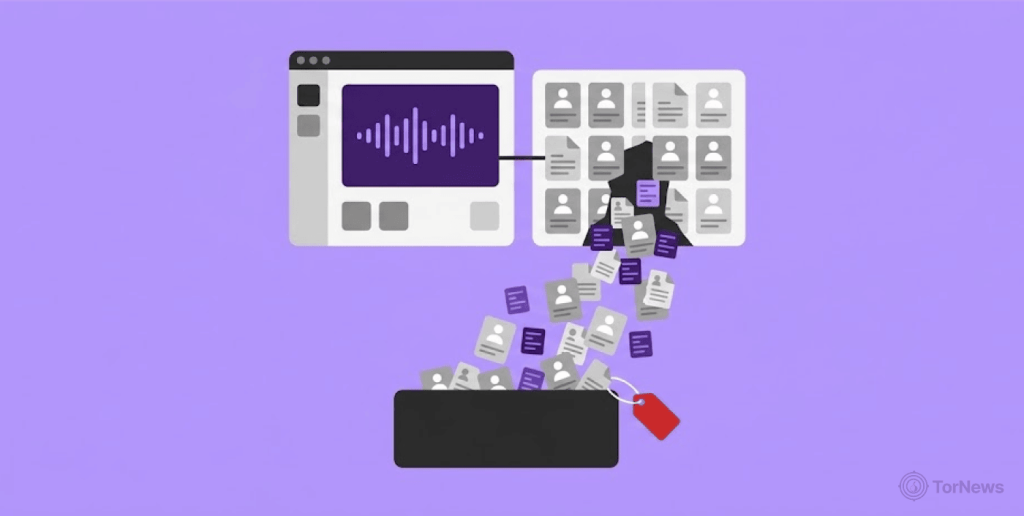
A hacker on a dark web forum says they stole about nine million records from BeatStars. BeatStars is an online marketplace where music producers sell beats and license their work to artists and other buyers.
The seller is asking $2,500 for the whole database. The offer also includes a report on the weakness the hacker says they used. No one has confirmed the breach yet.
Hacker Puts BeatStars Database Up for Sale
A dark web tracking account shared the seller’s listing online. The post dates the incident to November 3, 2026. The seller wants $2,500 for the database. The same price covers a full write-up of the weakness the hacker allegedly used to enter the platform.
The listing describes the files in detail. It names user account IDs, email addresses, and IP addresses. It also mentions location details and device information.
The seller also claims the files hold KYC details. These allegedly include recipient names, addresses, and merchant details. KYC details are the facts a platform collects to check who its users are.
Many questions remain open. The available information does not show how the attacker got into the platform. It does not show whether the records came straight from BeatStars systems. It also does not show whether the data is real or current. No independent technical review or trusted cybersecurity report supports the seller’s claims so far.
BeatStars has Not Confirmed the Claim
BeatStars has not confirmed the incident in the sources reviewed for this report. The company keeps a public status history that records service problems. It lists several issues from October 2026. These include short problems with downloads, content uploads, and site access. The history does not list a data breach in November.
A status page cannot show the full picture of a company’s security. Hackers could steal a database without stopping the site from working normally. So a missing breach entry does not prove the breach never happened.
BeatStars also gives advice to users who think someone hacked their accounts. Its recovery guide tells users to check their login details and review connected login options. It also says to change passwords and turn on two-factor authentication. That means an extra step that proves the real owner is logging in.
The company also runs a safety guide that urges users to stay alert on the platform. These tips already existed before the claim. They do not show that BeatStars is responding to the November incident.
The alleged incident also appears under BeatStars on an incident tracking database.
Scam Risks Grow for Creators and Buyers
Suppose the listed data is real. Then the KYC details could create fresh risks for creators, producers, and other users of the platform.
Email addresses and account IDs could help criminals write believable phishing messages. A phishing message is a fake note built to trick the reader. These messages would target BeatStars customers.
Attackers could pretend to be the platform, a payment provider, or a music industry partner. They would try to trick users into sharing login details or financial information.
Recipient names, addresses, and merchant details could make targeted scams look more real. Criminals could combine them with other stolen information. That mix could raise the risk of identity fraud. It could also lead to attempts to break into accounts.
KYC information has also appeared in other alleged data sale listings. In a separate case, a threat actor claimed to be selling 1.5 million Binance US phone records alongside KYC data. Like the BeatStars listing, that claim raises concerns about the exposure and potential misuse of customer information. Read more about the alleged Binance US data sale.
For now, users should stay alert. They should watch for unexpected emails and strange payment notifications. Also they should be careful with messages that ask for passwords or verification codes. They should avoid unfamiliar links and turn on two-factor authentication where it is available.
The nine million records, the alleged weakness, and the $2,500 price are still claims from an unidentified hacker. BeatStars has not confirmed an incident. Independent security researchers have not examined the data either. Until that happens, readers should treat the breach as unverified.
