-
A threat actor just freely reshared a dataset on an underground cybercrime forum, allegedly containing personal and residential records of over half a million French homeowners.
-
The records include full names, home addresses, phone numbers, email addresses, dates of birth, and even utility-linked property identifiers tied to France’s energy grid.
-
Security analysts warn the data opens the door to phishing, identity theft, real estate fraud, and in extreme cases, physical targeting of affected individuals.
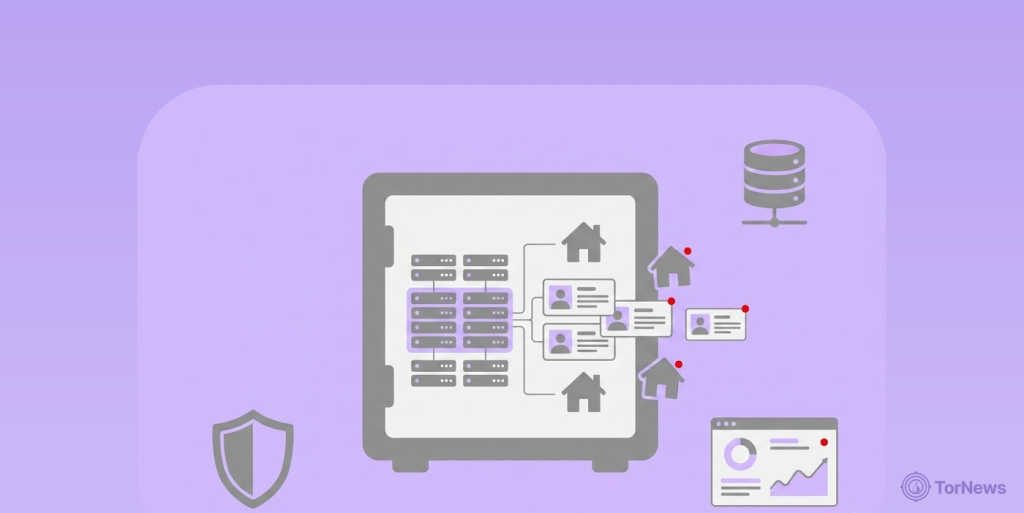
A dataset allegedly containing personal and property records on approximately 555,000 residential homeowners across France has surfaced on an underground cybercrime forum.
Threat intelligence monitoring flagged the post, which was authored by an unidentified threat actor claiming the data focuses exclusively on single-house homeowners spread across the country. That specific demographic makes the leak particularly attractive to financially motivated cybercriminals.
The actor noted in the forum post that the database had been shared previously but was taken down, and they chose to re-upload it to ensure wider distribution. The dataset is available as a free download, which suggests the goal is reputational gain within the underground community rather than direct monetization.
Forum participants commonly share free data to build credibility and increase their post count. The original source and collection method of the data remain unknown.
What the Leaked Records Contain
A sample published alongside the forum listing reveals a detailed set of data fields. Each record contains the subject’s title, first name, last name, and year of birth, alongside a full residential address broken into street number, street name, postal code, and municipality.
French administrative identifiers (including INSEE codes and local address metadata) also appear in the records, suggesting the data may originate from or have been cross-referenced against official cadastral or administrative registries.
Contact information features prominently, with fields covering both landline and mobile phone numbers, as well as primary email addresses. The dataset also includes occupation status and energy-related property attributes, referencing electricity delivery point identifiers (PDL) and local energy type. This combination of residential, demographic, and utility-linked data creates unusually rich profiles that go well beyond what typical leaked consumer databases contain.
From Phishing to Physical Targeting
The richness of the dataset opens multiple exploitation vectors. At the most immediate level, the combination of full names, email addresses, and phone numbers enables highly convincing spear-phishing and vishing campaigns.
Threat actors could craft messages impersonating utility providers, tax authorities, mortgage servicers, or home insurance companies, all of which represent plausible points of contact for homeowners, to extract financial credentials or additional personal information.
The inclusion of precise residential addresses adds a physical dimension to the threat. Homeowners are commonly associated with higher-value assets and frequently become targets of real estate fraud, deed theft, and property-related scams.
In more extreme cases, detailed residential records have enabled burglary, stalking, or targeted extortion. The presence of utility identifiers could additionally enable energy fraud or account takeover attempts with French utility providers.
Identity theft also presents a significant concern. A record combining full name, date of birth, home address, and contact details provides most of the information required to open fraudulent credit accounts, file false tax claims, or impersonate an individual in financial or legal contexts. When criminals aggregate these records with data from other leaked sources (a process known as data enrichment), the profiles become considerably more dangerous.
What Happens Next
Analysts have not independently verified the authenticity, provenance, or current accuracy of the dataset. As with many forum-posted databases, the data may be outdated, partially fabricated, or compiled from multiple older sources repackaged together. Even so, partial or dated records of this scale still carry meaningful risk when distributed freely online.
French data protection authorities, including the Commission Nationale de l’Informatique et des Libertés (CNIL), should be made aware of this disclosure.
Under the General Data Protection Regulation (GDPR), the unauthorized sharing of personal data belonging to EU residents constitutes a potential violation, and supervisory authorities carry the power to investigate and impose significant penalties on responsible parties.
Individuals who believe the dataset may include their records should stay alert to unsolicited communications and consider placing fraud alerts with their financial institutions.
