-
Visa is set to purchase fraud detection company BioCatch for $2.4 billion as artificial intelligence-driven scams become harder to prevent.
-
Criminals are resorting to cloning voices, faking identities, and social engineering as a means to commit fraud, causing serious financial losses, and Visa sees its latest move as a way to curb those crimes.
-
The news generated mixed reactions on the X platform. While some users supported the development as long overdue, others questioned Visa’s motives and its security records.
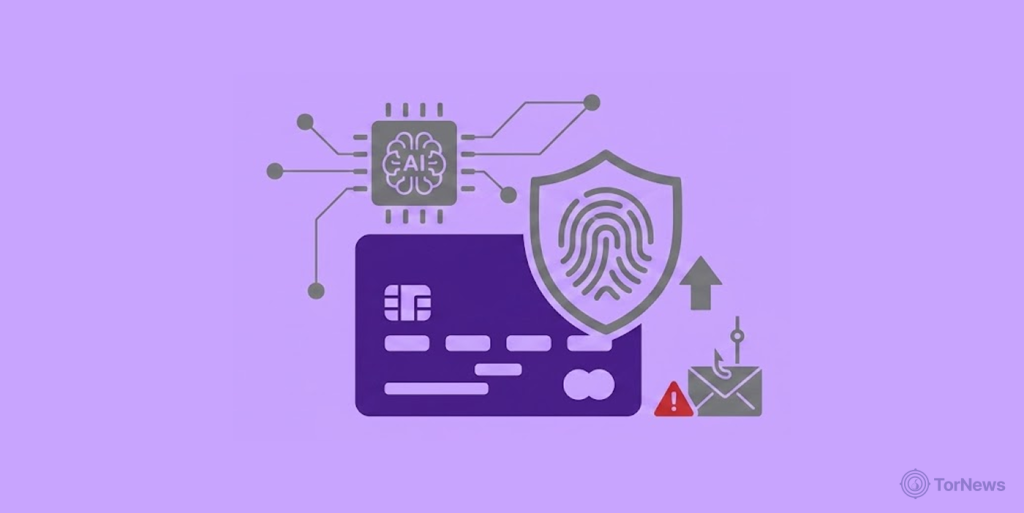
Visa is about to make a major bet on cybersecurity by spending around $2.4 billion to buy fraud intelligence firm BioCatch. With AI giving financial criminals new ways to attack, even giants like Visa have to step up to keep their customers safe. This deal shows just how seriously Visa takes the growing threat.
The deal is about far more than adding another security product. This just shows how seriously the payments industry is taking AI-driven fraud as one of the biggest threats currently.
Andrew Torre, who leads value-added services at Visa, pointed out that scams and account takeovers are draining over a trillion dollars from the global economy every year. He also sounded the alarm: AI is making cyberattacks faster and bigger, and fraud harder to catch using conventional methods.
Why Visa Wants BioCatch
BioCatch launched back in 2O11 and deals with behavioral intelligence. Rather than checking just passwords or devices, the technology analyzes natural user interactions with computers and mobile devices.
This means monitoring of such signals as typing rhythm, mouse movement, touchscreen gestures, and how a user normally handles or uses their device. Should the session deviate from the usual pattern, the system will flag it as suspicious activity even if the user entered the correct password.
According to the company, over 350 banks in 21 countries use this technology. BioCatch protects about 760 million users and analyzes approximately 1.8 billion devices. The company said it assessed trillions of dollars in transactions in 2025 alone, and its services also helped prevent billions of dollars in fraudulent transactions.
Visa claims that implementing BioCatch would enable it to detect fraudulent activity sooner in the transaction process. This means even before a criminal moves money from a customer’s bank account, they’ll be able to detect and block the action.
This focus on early detection aligns with Visa’s recent launch of a cyber threat platform that helps banks share threat intelligence and identify fraud patterns before they escalate. If Visa secures regulatory approval, it could complete the acquisition by the end of Visa’s fiscal second quarter of 2O27.
AI Is Changing Financial Crime
The timing of the acquisition is no coincidence. Banks and payment companies are up against a whole new wave of AI-powered scams. These days, criminals can clone voices, whip up fake identities that look real, write emails that sound believable, and launch social engineering attacks faster than anyone thought possible not too long ago.
Visa’s Spring 2O26 Threats Report calls scams the fastest-growing threat to consumers. But the real change? Criminals aren’t really hacking payment systems as much, they’re tricking people instead.
They use AI to mess with victims’ heads so they actually approve the payments themselves. From July to December 2O25 alone, Visa flagged almost $1 billion worth of scam activity.
So, just checking passwords or card numbers isn’t enough anymore. Security teams need to step up their game. They must recognize whether the person using an account actually behaves like its owner.
Visa has poured over $13 billion into tech and infrastructure in just the past five years. Buying BioCatch comes right after acquiring AI fraud detection company Featurespace. One thing is clear from these moves: fighting fraud is front and center for Visa now.
Notably, Visa isn’t the only payment service provider on this track. Mastercard recently spent $2.65 billion to acquire threat intelligence firm Recorded Future. There’s a clear pattern here, payment giants are in the race to beef up cybersecurity.
X Users Debate the Deal
The announcement quickly spread across X after an anonymous user @YourAnonOne shared it, where users offered sharply different opinions.
User @Akshay272727 argued that the acquisition reflects how quickly the threat landscape has changed, writing, “Visa spent years telling us the system was secure. Now they’re buying a whole company because AI scams are moving faster than their defences.”
Another user, @bfialek, predicted cybersecurity will continue to grow alongside AI, commenting, “Cybersecurity will be the second biggest industry after AI.”
User @sebivir pointed to BioCatch’s behavioral technology, saying it does more than detect suspicious payments. According to the post, the platform builds a behavioral profile based on mouse movements and typing patterns.
This allows it to recognize when someone other than the account owner takes control before a transaction is completed. That description closely matches how BioCatch explains its behavioral intelligence platform.
Not everyone was convinced. User @cancelclankers wrote, “Well it doesn’t take 2.4 billion dollars to tell me that Visa is the ones defrauding people,” while @zav1980556889 questioned the company’s intentions, commenting, “Maybe they’re having fun… not trying to keep up or who knows… maybe they have a dark agenda.”
These comments are based on skepticism rather than facts. However, Visa says that the deal aims at enhancing fraud detection efforts. They believe it’ll enable financial firms to identify and stop scams even before the completion of payments.
The Bigger Picture
Visa’s latest acquisition shows that the fight against financial crime is entering a new phase. For years, payment companies focused on securing cards, networks, and payment systems. Today, many attacks no longer target technology first. They target people.
As artificial intelligence makes scams less expensive, quicker, and more difficult to detect, payment companies are making major investments in technologies that can spot human behavior in addition to passwords and devices.
It’s still unclear whether BioCatch will provide the solution. However, Visa’s readiness to pay $2.4 billion clearly reflects the company’s conviction that AI-enabled fraud is no longer a future threat; it’s already here.
