-
Hackers have breached the official servers of Level Infinite to spread the malware for stealing passwords using the Nikke PC Launcher.
-
The malware steals the passwords saved in the browsers plus the private keys for SSH and the wallet data of cryptocurrencies from compromised computers.
-
The company updated files of the server without informing the players, leaving them vulnerable to security risks.
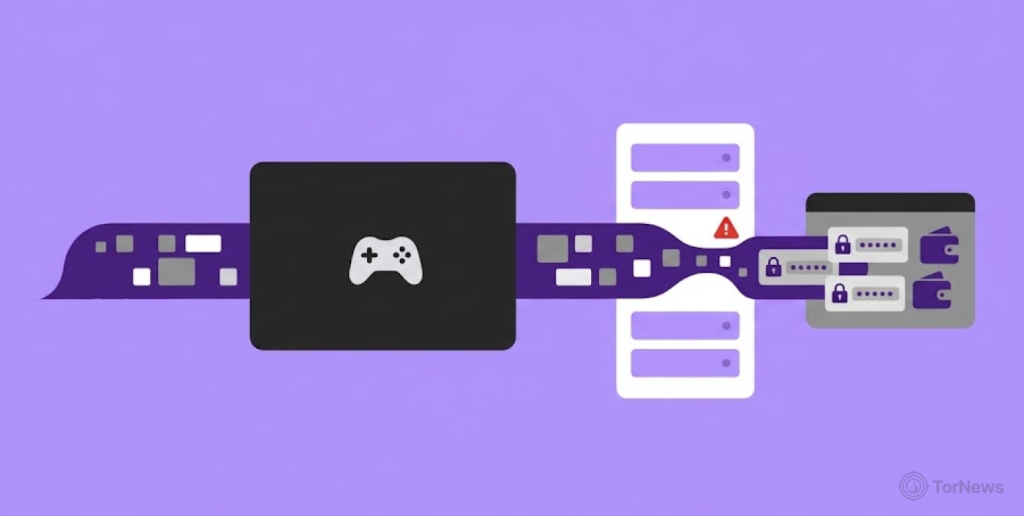
A cybersecurity researcher discovered a supply chain attack hitting the PC launcher software for the online game Nikke. Unknown hackers modified central website files belonging to Level Infinite, the international gaming publishing arm of Tencent. The compromised program, without the notice of users, began downloading a remote control malware package onto their personal devices when they launched the game.
The security breach poses a direct threat to personal device safety & user privacy in the global gaming community. Cybersecurity experts recommend that players check their local logs for signs of remote access software. Meanwhile, systems engineers are trying to reform corruption in network files and protect business infrastructure.
Supply Chain Attack Plants Remote Access Malware on Official CDN Servers
Security researchers reported that bad actors planted malicious code inside four core website files on Level Infinite content delivery network servers. The compromised server files loaded automatically every time a player launched the desktop game application. Once active, the malicious script downloaded a stealth remote access tool onto local user hard drives.
Furthermore, the remote control malware possesses broad administrative privileges over affected target computers. The software allows operators to browse internal system files, capture live screen images, and execute remote system commands.
The malware also collects passwords from web browsers, confidential SSH keys, and cryptocurrency wallet data from the infected computers. Subsequently, the cybercriminals can use this information to access the financial accounts & privately stored online records of victims.
Cross-Platform Exposure and Linux Compatibility Layer Vulnerabilities
Computer gamers who use other operating systems are also at risk due to the latest breach of the launcher. Some Linux & Steam Deck players using Proton compatibility layers reported the presence of malware within the game.
The Proton application failed to isolate the malware from the Windows operating system. This means that all non-Windows operating systems are vulnerable to the attack from the external platform.
Moreover, experts in security believe that using conventional compatibility solutions do not provide satisfactory safety for alternative software systems in such supply chain incidents. Players using desktop gaming apps across different operating systems will have to check their systems manually and take appropriate actions.
If needed, the affected players can investigate the installation directories for signs of the malware presence. Finding suspicious text strings like k2f_chan confirms that the launcher executed compromised code during startup. Removing these compromised files quickly prevents further unauthorized system monitoring.
Secret Server Updates and Continued User Risk Management
Level Infinite recently replaced three of the four modified script files on their content delivery network servers. However, company representatives issued no initial warning or public security advisory to players regarding the initial breach. Silent file updates leave many active users unaware that their local computers executed malicious code.
In addition, the replacement of the server files does not guarantee removal of malware already present on infected devices. Cyber analysts recommend closing the game client and cleaning cache folders on computers players used at that point.
Players should also change their saved passwords and terminate ongoing sessions from another clean device. Moreover, players have to act on their own to recover their accounts & protect their private data. The use of a good anti-viral program allows a user to discover hidden background processes which the malicious payload introduced.
System Safeguards for Gaming Platforms and Enterprise Distribution Networks
This major hacking incident underscores increasing risks from hacking activities targeting digital platforms and organizations. Hackers target game platforms in particular since this software updates itself without user interaction. In a separate incident, hackers also claimed to have leaked Asian Football Confederation player data, highlighting the risks organizations face when attackers target their digital systems.
Thus, security systems must adopt strict checks for every file transmission through all distribution systems. This serves as a means to prevent the modification of files from unauthorized persons.
In addition, publishers of games have to ensure that they are monitoring any unauthorized changes that can occur on their servers. Software companies need to stay in touch with their players to alert them in a timely way when there are security attacks.
Prompt openness can help users to disconnect affected computers and protect their private credentials after an attack. Also, publishers of games should make their supply chain more resistant to attacks thus protecting global consumer networks against advanced software attacks. Regular safety audits remain vital for protecting digital storefronts.
