-
GrapheneOS is expanding official support beyond Google Pixel devices to Motorola flagships and Razr foldables next year.
-
The operating system requires next-generation Qualcomm Snapdragon chips with hardware memory tagging and secure element integration to function.
-
Project maintainers confirmed that official software support will continue for Google Pixel hardware, including the upcoming Pixel 11 series.
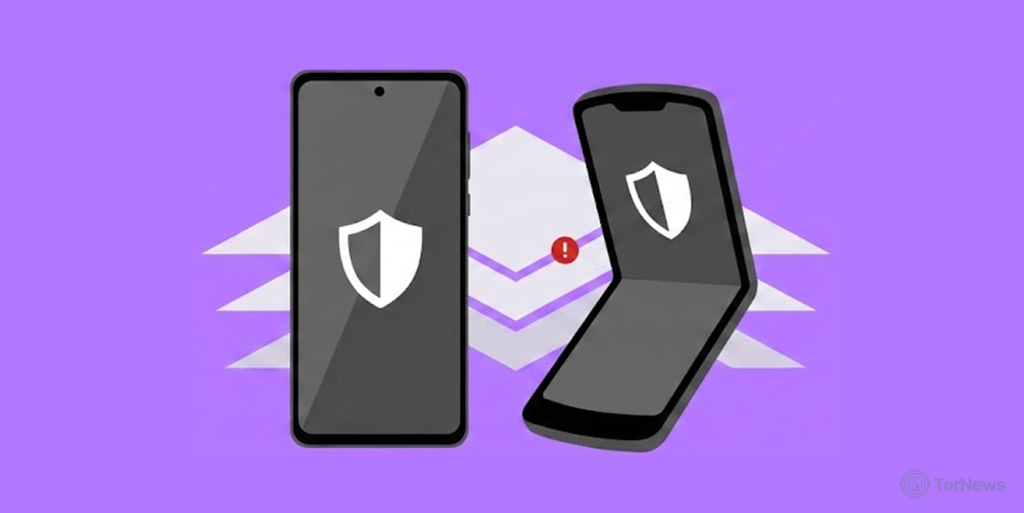
GrapheneOS has disclosed its plans of extending its official support to devices manufactured with Motorola next year. The company is an operating system that emphasizes user privacy.
This is the first time that GrapheneOS will be operating on devices other than Google Pixel devices. Developers have indicated that the deployment process will begin with flagship devices before moving on to foldable models. The move expands secure open-source options for mobile users seeking alternative software configurations.
Expansion to Motorola Flagships and Foldables
The GrapheneOS Foundation detailed its multi-stage hardware rollout plan in an official social media thread. Technical teams will first adapt the hardened operating system for a standard non-folding Motorola flagship phone. Later, the development teams are going to deploy full support for the upcoming Razr Fold phone and clamshell-style Razr Ultra devices.
By bringing the privacy-oriented software to the Razr Ultra, the device will be officially recognized as the first-ever flip phone operating any version of GrapheneOS. Tablet-style foldables already offer enhanced productivity for web navigation, reading documents, and mapping applications. However, vertical folding designs offer a unique compact form factor that provides convenient single-handed operation while folded.
Engineering groups from both organizations collaborate directly on component firmware and driver optimization to streamline software porting efforts. This technical partnership allows Motorola engineers to perform significant system integration tasks, accelerating hardware compatibility. Users can expect these upcoming devices to feature seven full years of continuous operating system updates and security patches.
Strict Hardware Security Standards and Chipset Demands
GrapheneOS maintains rigorous hardware security criteria that prevent immediate installation on current smartphone models. The organization noted that present-generation Motorola Signature and Razr models come very close to satisfying project guidelines. Nevertheless, current production units lack mature hardware memory tagging extensions and integrated secure element capabilities.
Hardware memory tagging helps prevent memory corruption vulnerabilities, while secure elements protect cryptographic keys and handle authentication throttling. The FBI and CISA warn that Iranian-linked hackers are targeting exposed industrial systems, including PLCs from Rockwell, Schneider Electric, and Siemens. Disruptions and financial losses highlight the need for stronger hardware-level security.
Consequently, developers targeted next-generation Qualcomm Snapdragon 8 Elite processors for initial release, as these newer chipsets incorporate required hardware-level memory protections. Future high-end Motorola smartphones will utilize these advanced processors to meet all technical baseline requirements.
Building on these advanced processors, future Motorola devices running the privacy operating system will feature higher price tags than standard Google Pixel hardware. Expanding to cheaper budget devices remains on the long-term project roadmap, but depends on semiconductor manufacturers adding hardware protections to lower-tier processors. Furthermore, budget hardware expansion requires manufacturers to commit to extended software support lifetimes for lower-cost models.
Continued Support for Google Pixel Lineup
Despite expanding hardware partnerships, GrapheneOS confirmed that Google Pixel smartphones remain a primary development platform. Project maintainers regularly update the privacy-hardened software for existing Pixel devices, including current tablet-style foldables. Furthermore, the foundation confirmed plans to add official software support for upcoming Google Pixel 11 smartphones.
The project relies on Android Open Source Project code to build an OS free from mandatory corporate tracking scripts. Furthermore, the operating system includes sandboxed Google Play service implementations, allowing standard application compatibility without granting elevated system privileges. These security layers protect user privacy while maintaining access to essential mobile software tools.
Additionally, the operating system incorporates advanced network defenses, such as automatic reboot timers that wipe encryption keys from memory when devices remain idle. Notably, robust hardware-backed encryption forms an essential foundation for mobile user privacy. By enforcing strict hardware standards across new manufacturing partners, GrapheneOS preserves system integrity across diverse mobile device categories.
Industry Impact of Non-Google Hardware Expansion
Expanding privacy-hardened Android software beyond Google hardware alters the broader mobile security ecosystem. Historically, users seeking de-Googled mobile software with enterprise-grade hardware security had to buy Pixel devices. Partnering with alternative manufacturers offers consumers greater choices when it comes to the types of phones they can buy. Also, it provides options for camera setups and battery capacities.
In addition, adding open-source privacy elements into commercial manufacturing means that mainstream manufacturers will start to pay attention to hardware security as well. With Motorola adjusting its hardware systems to fit the specifications of GrapheneOS, traditional consumer devices utilize the most secure firmware security and prolonged updated lifecycles in their history. Standards brought by independent software initiatives help the consumer electronics industry improve the level of security without compromising efficiency.
Ultimately, this partnership reflects an increase in demand for mobile experiences prioritizing privacy. Consumers who want to limit their dependence on centralized technology ecosystems can access advanced, flexible hardware. With the arrival of new processors, users who focus on protecting their privacy will benefit from having access to protected operating systems in new foldable formats.
